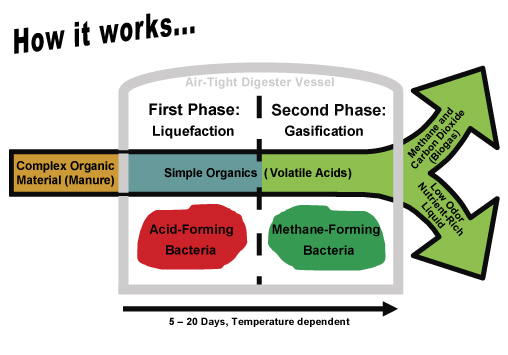
Biochemical conversion of biomass involves use of bacteria, microorganisms and enzymes to breakdown biomass into gaseous or liquid fuels, such as biogas or bioethanol. The most popular biochemical technologies are anaerobic digestion (or biomethanation) and fermentation. Anaerobic digestion is a series of chemical reactions during which organic material such as human waste is decomposed through is decomposed through the metabolic pathways of naturally occurring microorganisms in an oxygen depleted environment.
Biomass wastes can also yield liquid fuels, such as cellulosic ethanol, which can be used to replace petroleum-based fuels.If you are writing an essay related to this topic experts from the best custom essay service in usa advise you to read and analyze the information provided in this article.
Anaerobic Digestion
Anaerobic digestion is the natural biological process which stabilizes organic waste in the absence of air and transforms it into biofertilizer and biogas. Anaerobic digestion is a reliable technology for the treatment of wet, organic waste. Organic waste from various sources is biochemically degraded in highly controlled, oxygen-free conditions circumstances resulting in the production of biogas which can be used to produce both electricity and heat. Biomass conversion technologies are slowing being built for home boilers also.
The team over at The Solar Advantage says this, ‘”Almost any organic material can be processed with anaerobic digestion. This includes biodegradable waste materials such as municipal solid waste, animal manure, poultry litter, food wastes, sewage and industrial wastes.”
An anaerobic digestion plant produces two outputs, biogas and digestate, both can be further processed or utilized to produce secondary outputs. Biogas can be used for producing electricity and heat, as a natural gas substitute and also a transportation fuel. A combined heat and power plant system (CHP) not only generates power but also produces heat for in-house requirements to maintain desired temperature level in the digester during cold season. In Sweden, the compressed biogas is used as a transportation fuel for cars and buses. Biogas can also be upgraded and used in gas supply networks.
Working of Anaerobic Digestion Process
Digestate can be further processed to produce liquor and a fibrous material. The fiber, which can be processed into compost, is a bulky material with low levels of nutrients and can be used as a soil conditioner or a low level fertilizer. A high proportion of the nutrients remain in the liquor, which can be used as a liquid fertilizer. Many companies are use R&D tax credits to carry out these initiatives.
Biofuel Production
A variety of fuels can be produced from waste resources including liquid fuels, such as ethanol, methanol, biodiesel, Fischer-Tropsch diesel, and gaseous fuels, such as hydrogen and methane. The resource base for biofuel production is composed of a wide variety of forestry and agricultural resources, industrial processing residues, and municipal solid and urban wood residues. Globally, biofuels are most commonly used to power vehicles, heat homes, and for cooking, apart from powering boilers.
The largest potential feedstock for ethanol is lignocellulosic biomass wastes, which includes materials such as agricultural residues (corn stover, crop straws and bagasse), herbaceous crops (alfalfa, switchgrass), short rotation woody crops, forestry residues, waste paper and other wastes (municipal and industrial). Bioethanol production from these feedstocks could be an attractive alternative for disposal of these residues. Importantly, lignocellulosic feedstocks do not interfere with food security.
Ethanol from lignocellulosic biomass is produced mainly via biochemical routes. The three major steps involved are pretreatment, enzymatic hydrolysis, and fermentation. Biomass is pretreated to improve the accessibility of enzymes. After pretreatment, biomass undergoes enzymatic hydrolysis for conversion of polysaccharides into monomer sugars, such as glucose and xylose. Subsequently, sugars are fermented to ethanol by the use of different microorganisms.
Biofuel commercialization has proved to be costly and lingering than expected due to its high production cost and modification to flexibility in engines. Drop-in fuels are alternatives to existing liquid fuels without any significant modification in engines and infrastructures. According to IEA, “Drop-in biofuels are liquid bio-hydrocarbons that are functionally equivalent to petroleum fuels and are fully compatible with existing petroleum infrastructure”.
What are Drop-in Biofuels
Drop-in biofuels are can be produced from oilseeds via trans-esterification, lignocellulosic biomass via thermochemical process, sugars and alcohol via biochemical conversion or by hybrids of the above methods. Drop-in fuels encompass high hydrogen to carbon ratio with no/low sulfur and oxygen content, low water solubility and high carbon bond saturation. In short drop-in fuel is a modified fuel with close functional resemblance to fossil fuel.
Existing biofuels – bioethanol and biodiesel – have wide variation from fossil fuels in their blend wall properties – high oxygen content, hydrophilicity, energy density and mainly compatibility in existing engines and infrastructures. Oxygenated groups in biofuel have a domino effect such as reduction in the energy density, production of impurities which are highly undesirable to transportation components, instability during storage etc.
Major advantages of drop-in fuels over existing fuels are as follows:
Reduced sulphur oxide emissions by ultra low sulphur content.
Reduced ignition delay by high cetane value
Reduced hydrocarbons and nitrogen oxides emissions
Low aromatic content
Low olefin content, presence of olefin compounds undergo auto-oxidation leading to surface depositions.
High saturates, therefore leaving minimum residues
Low particulate emissions
No oxygenates therefore has high stability.
Potential Biomass Feedstock
Drop-in biofuels can be produced from various biomass sources- lipids (vegetable oils, animal fats, greases, and algae) and lignocellulosic material (such as crop residues, woody biomass, and dedicated energy crops). The prominent technologies for biomass conversion to drop-in fuel are the thermochemical and the biochemical process.
The major factor playing role in selection of biomass for thermochemical methods is the energy content or heating value of the material, which is correlated with ash content. Wood, wood chips accounts for less than 1% ash content, which is favorable thermal processing than biochemical process, whereas straws, husks, and majority of the other biomass have ash content ranging up to 25% of dry mass.
Free sugar generating plants such as sugarcane and sweet sorghum, are desirable feedstock for Acetone-Butanol-Ethanol fermentation and have been widely implemented. Presently there is a focus to exploit lignocellulosic residues, rich in hydrocarbon, for fuel production. However, this biomass requires harsh pretreatment to remove lignin and to transform holocellulose (cellulose & hemicelluloses) into fermentable products.
The lignocellulose transformation technology must be circumspectly chosen by its life cycle assessment, as it resists any changes in their structural integrity owing to its complexity. Lignocellulosic biomass, when deoxygenated, has better flexibility to turn to drop-in fuels. This is because, in its native state of the feedstock, each oxygen atom consumes two hydrogen atoms during combustion which in turn reduces effective H: C ratio. Biomass feedstock is characterized with oxygen up to 40%, and higher the oxygen content higher it has to be deoxygenated.
Thermochemical Route
Thermochemical methods adopted for biomass are pyrolysis and gasification, on thermolysis of biomass produce intermediate gas (syngas) and liquid (bio crude) serving as precursors for drop-in fuel. Biomass when exposed to temperature of 500oC-600oC in absence of oxygen (pyrolysis) produce bio-oil, which constitutes a considerable percentage of oxygen. After down streaming by hydroprocessing (hydrotreating and hydrocracking) the rich hydrocarbon tar (bio-oil) can be converted to an efficient precursor for drop-in fuel.
At a higher temperature, above 700, under controlled oxygen, biomass can be converted to liquid fuel via gas phase by the process, gasification. Syngas produced is converted to liquid fuel by Fischer-Tropsch with the help of ‘water gas shift’ for hydroprocessing. Hydroprocessing after the thermochemical method is however costly and complex process in case of pyrolysis and inefficient biomass to fuel yield with gasification process.
Biochemical Pathway
The advanced biocatalytic processes can divert the conventional sugar-ethanol pathway and convert sugars to fatty acids. Modified microbial strain with engineered cellular machineries, can reroute the pathway to free fatty acid that can be transformed into butanol or drop-in fuel with necessary processing.
Schematic for the preparation of jet fuel from biomass
Biological processing requires operation under the stressful conditions on the organisms to reroute the pathways, in additional to lowering NADPH (hydrogen) consumption. Other value added products like carboxylic acid, polyols, and alcohol in the same biological routes with lower operational requirements have higher market demands and commercial success. Therefore little attention is given by chemical manufacturers to the biological pathways for drop-in fuel production.
The mechanisms of utilization of lignocellulosic biomass to fuel by biological pathway rely heavily on the availability of monomeric C5 and C6 sugars during fermentation. Ethanol is perhaps the best-known and commercially successful alcohol from ABE fermentation. However, butanol has various significant advantages over ethanol- in the perception of energy content, feasibility to existing infrastructures, zero blend wall, safety and clean aspects.
Although butanol is a closer drop-in replacement, existing biofuel ethanol, is a major commercial competitor. Low yield from fermentation due to the toxicity of butanol and complexity in down streaming are the vital reasons that hamper successful large scale butanol production.
Zero oxygen and sulphur content mark major challenges for production of drop-in fuels from conventional biomass. This demands high hydrogen input on the conventional biomass, with H: C ratio below 0.5, like sugar, starch, cellulose, lignocellulose to meet the effective hydrogen to carbon ratio of 2 as in drop-in fuel. This characterizes most of the existing biomass feedstock as a low-quality input for drop-in fuels. However oleochemicals like fats, oils, and lipids have closer H: C ratio to diesel, gasoline and drop-in fuels, thus easier to conversion.
Oleochemical feedstock has been commercially successful, but to prolong in the platform will be a major challenge. Lipid feedstock is generally availed from crop-based vegetable oil, which is used in food sectors. Therefore availability, food security concerns, and economics are the major constraints to sustaining the raw material. Consequently switching to lignocellulosic biomass feedstock for drop-in holds on.
Conclusions
Despite the hurdles on biomass characteristics and process technology for drop-in fuel, it is a vital requirement to switch to better replacement fuel for fossil fuel, considering environmental and economic benefits. Understanding its concepts and features, drop-in fuel, can solve existing greenhouse emission debate on current biofuels. Through crucial ambiguities existing on future of alternative fuels, drop-in fuel has a substantial potential to repute itself as an efficient sustainable eco-friendly fuel in the near future.
References
Neal K Van Alfen: ENCYCLOPEDIA OF AGRICULTURE AND FOOD SYSTEMS, Elsevier, Academic Press.
Pablo Domínguez de María John: INDUSTRIAL BIORENEWABLES:A Practical Viewpoint: Wiley & Sons.
Ram Sarup Singh, Ashok Pandey, Edgard Gnansounou: BIOFUELS- PRODUCTION AND FUTURE PERSPECTIVES, CRC Press.
Satinder Kaur Brar, Saurabh Jyoti Sarma, Kannan Pakshirajan : PLATFORM CHEMICAL BIOREFINERY-FUTURE GREEN CHEMISTRY, Elsevier.
Sergios Karatzos, James D. McMillan, Jack N. Saddle: Summary of IEA BIOENERGY TASK 39 REPORT-THE POTENTIAL AND CHALLENGES OF DROP-IN BIOFUELS, IEA Bioenergy.
Vijai Kumar Gupta, Monika Schmoll, Minna Maki, Maria Tuohy, Marcio Antonio Mazutti: APPLICATIONS OF MICROBIAL ENGINEERING, CRC Press.
Global demand for fuel efficiency, environmental quality and energy security have elicited global attention towards liquid biofuels, such as bioethanol and biodiesel. Around the world, governments have introduced various policy measurements, mandatory fuel blending programmes, incentives for flex fuel vehicles and agricultural subsidies for the farmers.
In India, the government launched Ethanol Blended Petrol (EBP) programme in January 2013 for 5% ethanol blended petrol. The policy had significant focus on India’s opportunity to agricultural and industrial sectors with motive of boosting biofuel (bioethanol and biodiesel) usage and reducing the existing dependency on fossil fuel.
The Government of India initiated significant investments in improving storage and blending infrastructure. The National Policy on Biofuels has set a target of 20% blending of biofuel by 2017. However, India has managed to achieve only 5% by September 2016 due to certain technical, market and regulatory hurdles.
In India, sugarcane molasses is the major resource for bioethanol production and inconsistency of raw material supply holds the major liability for sluggish response to blending targets. Technically speaking, blend wall and transportation-storage are the major challenges towards the biofuel targets. Blending wall is the maximum percent of ethanol that can be blended to fuel without decreasing the fuel efficiency.
Various vehicles are adaptable to various blending ratio based on the flexibility of engines. The technology for the engine modification for flex fuel is not new but making the engines available in India along with the supply chain and calibrating the engine for Indian conditions is the halting phase. The commonly used motor vehicles in the country are not effectual with flex fuel.
Sugarcane molasses is the most common feedstock for bioethanol production in India
Ethanol being a highly flammable liquid marks obligatory safety and risk assessment measures during all phases of production, storage and transportation. The non-uniform distribution of raw material throughout the country, demands a compulsory transportation and storage, especially inter-state movement, encountering diverse climatic and topographic conditions.
Major bioethanol consumers in India are potable liquor sector (45%), alcohol based chemical industry (40%), the rest for blending and other purposes. The yearly profit elevation in major sectors is a dare to an economical ethanol supply for Ethanol Blending Programme. Drastic fluctuation in pricing of sugar cane farming and sugar milling resulted to huge debt to farmers by mill owners. Gradually the farmers shifted from sugarcane cultivation other crops.
Regulatory and policy approaches on excise duty on storage and transportation of ethanol and pricing strategy of ethanol compared to crude oil are to be revised and implemented effectively. Diversifying the feedstocks (especially use of lignocellulosic biomass) and advanced technology for domestic ethanol production in blending sectors are to be fetched out from research laboratories to commercial scale. Above all the knowledge of economic and environmental benefits of biofuel like reduction in pollutants and import bills and more R&D into drop-in biofuels, need to be amplified for the common man.
Lignocellulosic biomass consists of a variety of materials with distinctive physical and chemical characteristics. It is the non-starch based fibrous part of plant material.
Lignocellulose is a generic term for describing the main constituents in most plants, namely cellulose, hemicelluloses, and lignin. Lignocellulose is a complex matrix, comprising many different polysaccharides, phenolic polymers and proteins. Cellulose, the major component of cell walls of land plants, is a glucan polysaccharide containing large reservoirs of energy that provide real potential for conversion into biofuels.
First-generation biofuels (produced primarily from food crops such as grains, sugar beet and oil seeds) are limited in their ability to achieve targets for oil-product substitution, climate change mitigation, and economic growth. Their sustainable production is under scanner, as is the possibility of creating undue competition for land and water used for food and fibre production.
The cumulative impacts of these concerns have increased the interest in developing biofuels produced from non-food biomass. Feedstocks from lignocellulosic materials include cereal straw, bagasse, forest residues, and purpose-grown energy crops such as vegetative grasses and short rotation forests. These second-generation biofuels could avoid many of the concerns facing first-generation biofuels and potentially offer greater cost reduction potential in the longer term.
The largest potential feedstock for biofuels is lignocellulosic biomass, which includes materials such as agricultural residues (corn stover, crop straws and bagasse), herbaceous crops (alfalfa, switchgrass), short rotation woody crops, forestry residues, waste paper and other wastes (municipal and industrial). Bioethanol production from these feedstocks could be an attractive alternative for disposal of these residues.
Importantly, lignocellulosic biomass resources do not interfere with food security. Moreover, bioethanol is very important for both rural and urban areas in terms of energy security reason, environmental concern, employment opportunities, agricultural development, foreign exchange saving, socioeconomic issues etc.
Lignocellulosic biomass consists mainly of lignin and the polysaccharides cellulose and hemicellulose. Compared with the production of ethanol from first-generation feedstocks, the use of lignocellulosic biomass is more complicated because the polysaccharides are more stable and the pentose sugars are not readily fermentable by Saccharomyces cerevisiae.
In order to convert lignocellulosic biomass to biofuels the polysaccharides must first be hydrolysed, or broken down, into simple sugars using either acid or enzymes. Several biotechnology-based approaches are being used to overcome such problems, including the development of strains of Saccharomyces cerevisiae that can ferment pentose sugars, the use of alternative yeast species that naturally ferment pentose sugars, and the engineering of enzymes that are able to break down cellulose and hemicellulose into simple sugars.
Lignocellulosic biomass processing pilot plants have been established in the EU, in Denmark, Spain and Sweden. The world’s largest demonstration facility of lignocellulose ethanol (from wheat, barley straw and corn stover), with a capacity of 2.5 Ml, was first established by Iogen Corporation in Ottawa, Canada. Many other processing facilities are now in operation or planning throughout the world.
Economically, lignocellulosic biomass has an advantage over other agriculturally important biofuels feedstock such as corn starch, soybeans, and sugar cane, because it can be produced quickly and at significantly lower cost than food crops.
Lignocellulosic biomass is an important component of the major food crops; it is the non-edible portion of the plant, which is currently underutilized, but could be used for biofuel production. In short, biofuels from lignocellulosic biomass holds the key to supplying society’s basic needs without impacting the nation’s food supply.
Ethanol from lignocellulosic biomass is produced mainly via biochemical route. The three major steps involved in the biochemical method for ethanol production are pretreatment, enzymatic hydrolysis, and fermentation. Biomass is pretreated to improve the accessibility of enzymes. After pretreatment, biomass undergoes enzymatic hydrolysis for conversion of polysaccharides into monomer sugars, such as glucose and xylose. Subsequently, sugars are fermented to ethanol by the use of different microorganisms.
Pretreated biomass can directly be converted to ethanol by using the process called simultaneous saccharification and cofermentation (SSCF). Pretreatment is a critical step which enhances the enzymatic hydrolysis of biomass.
Basically, it alters the physical and chemical properties of biomass and improves the enzyme access and effectiveness which may also lead to a change in crystallinity and degree of polymerization of cellulose. The internal surface area and pore volume of pretreated biomass are increased which facilitates substantial improvement in accessibility of enzymes. The process also helps in enhancing the rate and yield of monomeric sugars during enzymatic hydrolysis steps.
Pretreatment methods can be broadly classified into four groups – physical, chemical, physio-chemical and biological. Physical pretreatment processes employ the mechanical comminution or irradiation processes to change only the physical characteristics of biomass. The physio-chemical process utilizes steam or steam and gases, like SO2 and CO2. The chemical processes employs acids (H2SO4, HCl, organic acids etc) or alkalis (NaOH, Na2CO3, Ca(OH)2, NH3 etc).
The acid treatment typically shows the selectivity towards hydrolyzing the hemicelluloses components, whereas alkalis have better selectivity for the lignin. The fractionation of biomass components after such processes help in improving the enzymes accessibility which is also important to the efficient utilization of enzymes.
The pretreated biomass is subjected to enzymatic hydrolysis using cellulase enzymes to convert the cellulose to fermentable sugars. Cellulase refers to a class of enzymes produced chiefly by fungi and bacteria which catalyzes the hydrolysis of cellulose by attacking the glycosidic linkages. Cellulase is mixture of mainly three different functional protein groups: exo-glucanase (Exo-G), endo-glucanase(Endo-G) and ?-glucosidase (?-G).
The functional proteins work synergistically in hydrolyzing the cellulose into the glucose. These sugars are further fermented using microorganism and are converted to ethanol. The microorganisms are selected based on their efficiency for ethanol productivity and higher product and inhibitors tolerance. Yeast Saccharomyces cerevisiae is used commercially to produce the ethanol from starch and sucrose.
Escherichia coli strain has also been developed recently for ethanol production by the first successful application of metabolic engineering. E. coli can consume variety of sugars and does not require the complex growth media but has very narrow operable range of pH. E. coli has higher optimal temperature than other known strains of bacteria.
Lower GHG emissions and empowerment of rural economy are major benefits associated with bioethanol
The major cost components in bioethanol production from lignocellulosic biomass are the pretreatment and the enzymatic hydrolysis steps. In fact, these two process are someway interrelated too where an efficient pretreatment strategy can save substantial enzyme consumption.
Pretreatment step can also affect the cost of other operations such as size reduction prior to pretreatment. Therefore, optimization of these two important steps, which collectively contributes about 70% of the total processing cost, are the major challenges in the commercialization of bioethanol from 2nd generation feedstock.
Enzyme cost is the prime concern in full scale commercialization. The trend in enzyme cost is encouraging because of enormous research focus in this area and the cost is expected to go downward in future, which will make bioethanol an attractive option considering the benefits derived its lower greenhouse gas emissions and the empowerment of rural economy.
Biofuels refers to liquid or gaseous fuels for the transport sector that are predominantly produced from biomass. A variety of fuels can be produced from biomass resources including liquid fuels, such as ethanol, methanol, biodiesel, Fischer-Tropsch diesel, and gaseous fuels, such as hydrogen and methane. The biomass feedstock for biofuel production is composed of a wide variety of forestry and agricultural resources, industrial processing residues, and municipal solid and urban wood residues.
The agricultural resources include grains used for biofuels production, animal manures and residues, and crop residues derived primarily from corn and small grains (e.g., wheat straw). A variety of regionally significant crops, such as cotton, sugarcane, rice, and fruit and nut orchards can also be a source of crop residues.
The forest resources include residues produced during the harvesting of forest products, fuelwood extracted from forestlands, residues generated at primary forest product processing mills, and forest resources that could become available through initiatives to reduce fire hazards and improve forest health.
Municipal and urban wood residues are widely available and include a variety of materials — yard and tree trimmings, land-clearing wood residues, wooden pallets, organic wastes, packaging materials, and construction and demolition debris.
Globally, biofuels are most commonly used to power vehicles, heat homes, and for cooking. Biofuel industries are expanding in Europe, Asia and the Americas. Biofuels are generally considered as offering many priorities, including sustainability, reduction of greenhouse gas emissions, regional development, social structure and agriculture, and security of supply.
First-generation biofuels are made from sugar, starch, vegetable oil, or animal fats using conventional technology. The basic feedstocks for the production of first-generation biofuels come from agriculture and food processing. The most common first-generation biofuels are:
Biodiesel: extraction with or without esterification of vegetable oils from seeds of plants like soybean, oil palm, oilseed rape and sunflower or residues including animal fats derived from rendering applied as fuel in diesel engines
Bioethanol: fermentation of simple sugars from sugar crops like sugarcane or from starch crops like maize and wheat applied as fuel in petrol engines
Biogas: anaerobic fermentation or organic waste, animal manures, crop residues an energy crops applied as fuel in engines suitable for compressed natural gas.
First-generation biofuels can be used in low-percentage blends with conventional fuels in most vehicles and can be distributed through existing infrastructure. Some diesel vehicles can run on 100 % biodiesel, and ‘flex-fuel’ vehicles are already available in many countries around the world.
Second-generation biofuels are derived from non-food feedstock including lignocellulosic biomass like crop residues or wood. Two transformative technologies are under development.
Biochemical: modification of the bioethanol fermentation process including a pre-treatment procedure
Thermochemical: modification of the bio-oil process to produce syngas and methanol, Fisher-Tropsch diesel or dimethyl ether (DME).
Advanced conversion technologies are needed for a second-generation biofuels. The second generation technologies use a wider range of biomass resources – agriculture, forestry and waste materials. One of the most promising second-generation biofuel technologies – ligno-cellulosic processing (e. g. from forest materials) – is already well advanced. Pilot plants have been established in the EU, in Denmark, Spain and Sweden.
Third-generation biofuels may include production of bio-based hydrogen for use in fuel cell vehicles, e.g. Algae fuel, also called oilgae. Algae are low-input, high-yield feedstock to produce biofuels.
Cellulosic ethanol technology is one of the most commonly discussed second-generation biofuel technologies worldwide. Cellulosic biofuels are derived from the cellulose in plants, some of which are being developed specifically as “energy” crops rather than for food production. These include perennial grasses and trees, such as switchgrass and Miscanthus. Crop residues, in the form of stems and leaves, represent another substantial source of cellulosic biomass.
The largest potential feedstock for ethanol is lignocellulosic biomass, which includes materials such as agricultural residues (corn stover, crop straws, husks and bagasse), herbaceous crops (alfalfa, switchgrass), short rotation woody crops, forestry residues, waste paper and other wastes (municipal and industrial).
Bioethanol production from these feedstocks could be an attractive alternative for disposal of these residues. Lignocellulosic biomass feedstocks do not interfere with food security and are important for both rural and urban areas in terms of energy security reason, environmental concern, employment opportunities, agricultural development, foreign exchange saving, socioeconomic issues etc.
Production of Ethanol
The production of ethanol from lignocellulosic biomass can be achieved through two different processing routes. They are:
Biochemical – in which enzymes and other micro-organisms are used to convert cellulose and hemicellulose components of the feedstocks to sugars prior to their fermentation to produce ethanol;
Thermochemical – where pyrolysis/gasification technologies produce a synthesis gas (CO + H2) from which a wide range of long carbon chain biofuels, such as synthetic diesel or aviation fuel, can be reformed.
Lignocellulosic biomass consists mainly of lignin and the polysaccharides cellulose and hemicellulose. Compared with the production of ethanol from first-generation feedstocks, the use of lignocellulosic biomass is more complicated because the polysaccharides are more stable and the pentose sugars are not readily fermentable by Saccharomyces cerevisiae.
In order to convert lignocellulosic biomass to biofuels the polysaccharides must first be hydrolysed, or broken down, into simple sugars using either acid or enzymes. Several biotechnology-based approaches are being used to overcome such problems, including the development of strains of Saccharomyces cerevisiae that can ferment pentose sugars, the use of alternative yeast species that naturally ferment pentose sugars, and the engineering of enzymes that are able to break down cellulose and hemicellulose into simple sugars.
Ethanol from lignocellulosic biomass is produced mainly via biochemical routes. The three major steps involved are pretreatment, enzymatic hydrolysis, and fermentation. Biomass is pretreated to improve the accessibility of enzymes. After pretreatment, biomass undergoes enzymatic hydrolysis for conversion of polysaccharides into monomer sugars, such as glucose and xylose. Subsequently, sugars are fermented to ethanol by the use of different microorganisms.
Pretreated biomass can directly be converted to ethanol by using the process called simultaneous saccharification and cofermentation (SSCF). Pretreatment is a critical step which enhances the enzymatic hydrolysis of biomass. Basically, it alters the physical and chemical properties of biomass and improves the enzyme access and effectiveness which may also lead to a change in crystallinity and degree of polymerization of cellulose.
The internal surface area and pore volume of pretreated biomass are increased which facilitates substantial improvement in accessibility of enzymes. The process also helps in enhancing the rate and yield of monomeric sugars during enzymatic hydrolysis steps.
Pretreatment of Lignocellulosic Biomass
Pretreatment methods can be broadly classified into four groups – physical, chemical, physio-chemical and biological. Physical pretreatment processes employ the mechanical comminution or irradiation processes to change only the physical characteristics of biomass. The physio-chemical process utilizes steam or steam and gases, like SO2 and CO2.
The chemical processes employs acids (H2SO4, HCl, organic acids etc) or alkalis (NaOH, Na2CO3, Ca(OH)2, NH3 etc). The acid treatment typically shows the selectivity towards hydrolyzing the hemicelluloses components, whereas alkalis have better selectivity for the lignin. The fractionation of biomass components after such processes help in improving the enzymes accessibility which is also important to the efficient utilization of enzymes.
Conclusions
The major cost components in bioethanol production from lignocellulosic biomass are the pretreatment and the enzymatic hydrolysis steps. In fact, these two process are someway interrelated too where an efficient pretreatment strategy can save substantial enzyme consumption. Pretreatment step can also affect the cost of other operations such as size reduction prior to pretreatment.
Therefore, optimization of these two important steps, which collectively contributes about 70% of the total processing cost, are the major challenges in the commercialization of bioethanol from 2nd generation biofuel feedstock.
A biorefinery is a facility that integrates biomass conversion processes and equipment to produce fuels, power, and value-added chemicals from biomass. Biorefinery is analogous to today’s petroleum refinery, which produces multiple fuels and products from petroleum. By producing several products, a biorefinery takes advantage of the various components in biomass and their intermediates, therefore maximizing the value derived from the biomass feedstock.
A biorefinery could, for example, produce one or several low-volume, but high-value, chemical products and a low-value, but high-volume liquid transportation fuel such as biodiesel or bioethanol. At the same time, it can generate electricity and process heat, through CHP technology, for its own use and perhaps enough for sale of electricity to the local utility.
The high value products increase profitability, the high-volume fuel helps meet energy needs, and the power production helps to lower energy costs and reduce GHG emissions from traditional power plant facilities.
Biorefinery Platforms
There are several biorefinery platforms which can be employed in a biorefinery with the major ones being the sugar platform and the thermochemical platform (also known as syngas platform).
Sugar platform biorefineries breaks down biomass into different types of component sugars for fermentation or other biological processing into various fuels and chemicals. On the other hand, thermochemical biorefineries transform biomass into synthesis gas (hydrogen and carbon monoxide) or pyrolysis oil.
The thermochemical biomass conversion process is complex, and uses components, configurations, and operating conditions that are more typical of petroleum refining. Biomass is converted into syngas, and syngas is converted into an ethanol-rich mixture.
However, syngas created from biomass contains contaminants such as tar and sulphur that interfere with the conversion of the syngas into products. These contaminants can be removed by tar-reforming catalysts and catalytic reforming processes. This not only cleans the syngas, it also creates more of it, improving process economics and ultimately cutting the cost of the resulting ethanol.
Plus Points
Biorefineries can help in utilizing the optimum energy potential of organic wastes and may also resolve the problems of waste management and GHGs emissions. Biomass wastes can be converted, through appropriate enzymatic/chemical treatment, into either gaseous or liquid fuels.
The pre-treatment processes involved in biorefining generate products like paper-pulp, HFCS, solvents, acetate, resins, laminates, adhesives, flavour chemicals, activated carbon, fuel enhancers, undigested sugars etc. which generally remain untapped in the traditional processes. The suitability of this process is further enhanced from the fact that it can utilize a variety of biomass resources, whether plant-derived or animal-derived.
Future Perspectives
The concept of biomass-based refinery is still in early stages at most places in the world. Problems like raw material availability, feasibility in product supply chain, scalability of the model are hampering its development at commercial-scales. The National Renewable Energy Laboratory (NREL) of USA is leading the front in biorefinery research with path-breaking discoveries and inventions.
Although the technology is still in nascent stages, but it holds the key to the optimum utilization of wastes and natural resources that humans have always tried to achieve. The onus now lies on governments and corporate sector to incentivize or finance the research and development in this highly promising field.
The major techno-commercial limitations of existing biofuels has catalyzed the development of advanced biofuels such as cellulosic ethanol, biobutanol and mixed alcohols. Biobutanol is generating good deal of interest as a potential green alternative to petroleum fuels. It is increasingly being considered as a superior automobile fuel in comparison to bioethanol as its energy content is higher. The problem of demixing that is encountered with ethanol-petrol blends is considerably less serious with biobutanol-petrol blends.
Besides, it reduces the harmful emissions substantially. It is less corrosive and can be blended in any concentration with petrol (gasoline). Several research studies suggest that butanol can be blended into either petrol or diesel to as much as 45 percent without engine modifications or severe performance degradation.
Production of Biobutanol
Biobutanol is produced by microbial fermentation, similar to bioethanol, and can be made from the same range of sugar, starch or cellulosic feedstocks. The most commonly used microorganisms are strains of Clostridium acetobutylicum and Clostridium beijerinckii. In addition to butanol, these organisms also produce acetone and ethanol, so the process is often referred to as the “ABE fermentation”.
The main concern with Clostridium acetobutylicum is that it easily gets poisoned at concentrations above 2% of biobutanol in the fermenting mixture. This hinders the production of biobutanol in economically viable quantities.
In recent years, there has been renewed interest in biobutanol due to increasing petroleum prices and search for clean energy resources. Researchers have made significant advances in designing new microorganisms capable of surviving in high butanol concentrations. The new genetically modified micro-organisms have the capacity to degrade even the cellulosic feedstocks.
Latest Trends
Biobutanol production is currently more expensive than bioethanol which has hampered its commercialization. However, biobutanol has several advantages over ethanol and is currently the focus of extensive research and development. There is now increasing interest in use of biobutanol as a transport fuel. As a fuel, it can be transported in existing infrastructure and does not require flex-fuel vehicle pipes and hoses.
Fleet testing of biobutanol has begun in the United States and the European Union. A number of companies are now investigating novel alternatives to traditional ABE fermentation, which would enable biobutanol to be produced on an industrial scale.
There is immense potential of biomass energy in Southeast Asia due to plentiful supply of diverse forms of biomass wastes including agricultural residues, agro-industrial wastes, woody biomass, animal wastes, municipal solid waste, etc. Southeast Asia is a big producer of wood and agricultural products which, when processed in industries, produces large amounts of biomass residues.
The rapid economic growth and industrialization in Southeast Asian region is characterized by a significant gap between energy supply and demand. The energy demand in the region is expected to grow rapidly in the coming years which will have a profound impact on the global energy market. In addition, the region has many locations with high population density, which makes public health vulnerable to the pollution caused by fossil fuels.
Another important rationale for transition from fossil-fuel-based energy systems to renewable ones arises out of observed and projected impacts of climate change. Due to the rising share of greenhouse gas emissions from Asia, it is imperative on all Asian countries to promote sustainable energy to significantly reduce GHGs emissions and foster sustainable energy trends. Rising proportion of greenhouse gas emissions is causing large-scale ecological degradation, particularly in coastal and forest ecosystems, which may further deteriorate environmental sustainability in the region.
The reliance on conventional energy sources can be substantially reduced as the Southeast Asian region is one of the leading producers of biomass resources in the world. Southeast Asia, with its abundant biomass resources, holds a strategic position in the global biomass energy atlas.
Palm kernel shells is an abundant biomass resource in Southeast Asia
According to conservative estimates, the amount of biomass residues generated from sugar, rice and palm oil mills is more than 200-230 million tons per year which corresponds to cogeneration potential of 16-19 GW. Woody biomass is a good energy resource due to presence of large number of forests and wood processing industries in the region.
The prospects of biogas power generation are also high in the region due to the presence of well-established food processing, agricultural and dairy industries. Another important biomass resource is contributed by municipal solid wastes in heavily populated urban areas.
In addition, there are increasing efforts from the public and private sectors to develop biomass energy systems for efficient biofuel production, e.g. biodiesel and bioethanol. The rapid economic growth and industrialization in Southeast Asia has accelerated the drive to implement the latest biomass energy technologies in order to tap the unharnessed potential of biomass resources, thereby making a significant contribution to the regional energy mix.
We use cookies on our website to give you the most relevant experience by remembering your preferences and repeat visits. By clicking “Accept”, you consent to the use of ALL the cookies.
This website uses cookies to improve your experience while you navigate through the website. Out of these cookies, the cookies that are categorized as necessary are stored on your browser as they are as essential for the working of basic functionalities of the website. We also use third-party cookies that help us analyze and understand how you use this website. These cookies will be stored in your browser only with your consent. You also have the option to opt-out of these cookies. But opting out of some of these cookies may have an effect on your browsing experience.
Necessary cookies are absolutely essential for the website to function properly. This category only includes cookies that ensures basic functionalities and security features of the website. These cookies do not store any personal information.