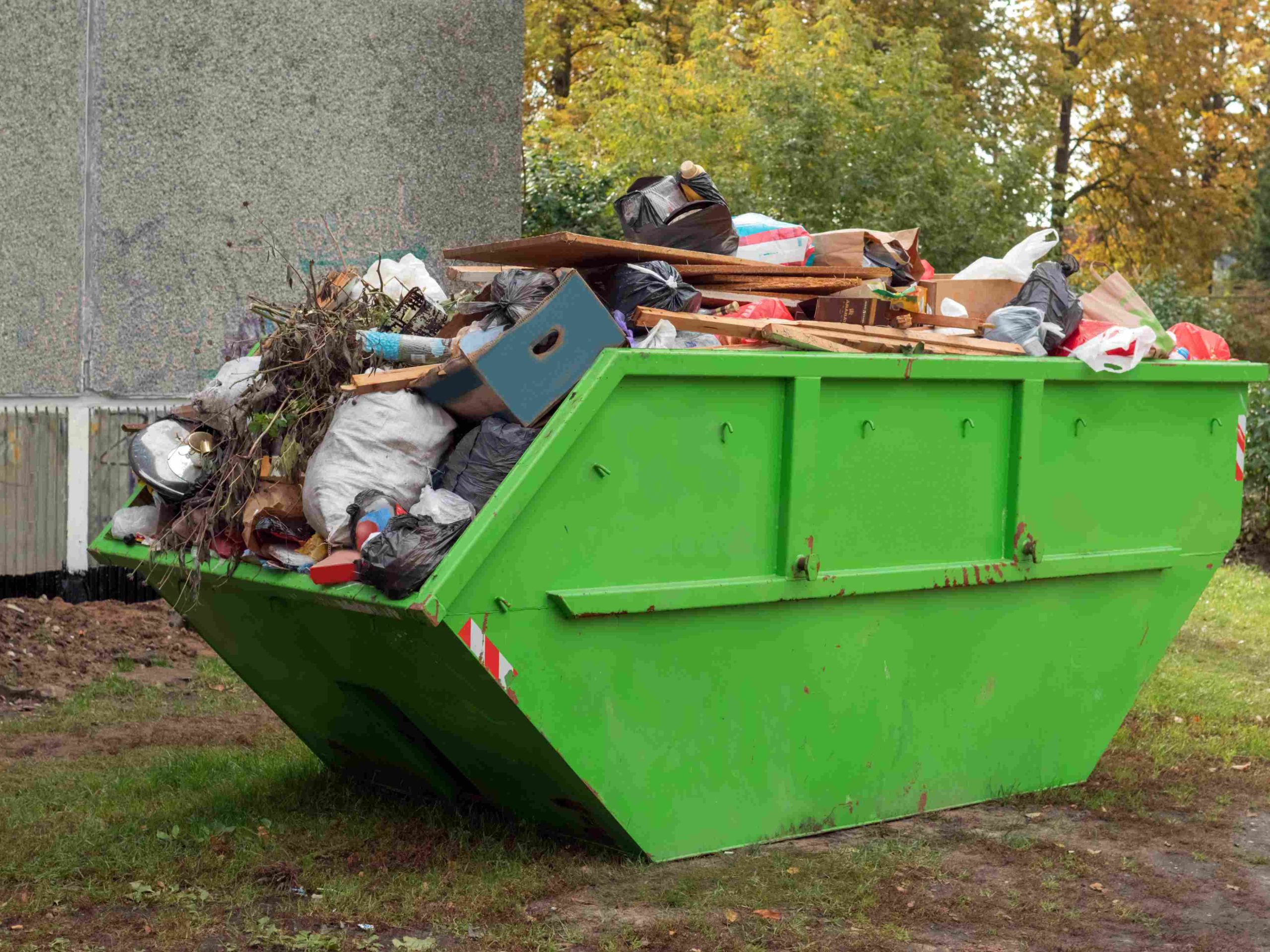
Food Waste Management and Anaerobic Digestion

Food waste is one of the single largest constituent of municipal solid waste stream.  Diversion of food waste from landfills can provide significant contribution towards climate change mitigation, apart from generating revenues and creating employment opportunities. Rising energy prices and increasing environmental pollution makes it more important to harness renewable energy from food wastes.

Of the different types of organic wastes available, food waste holds the highest potential in terms of economic exploitation as it contains high amount of carbon and can be efficiently converted into biogas and organic fertilizer. Food waste can either be utilized as a single substrate in a biogas plant, or can be co-digested with organic wastes like cow manure, poultry litter, sewage, crop residues, abattoir wastes etc.

Anaerobic digestion is the most important method for the treatment of food waste because of its techno-economic viability and environmental sustainability. The use of anaerobic digestion technology generates biogas and preserves the nutrients which are recycled back to the agricultural land in the form of slurry or solid fertilizer. The relevance of biogas technology lies in the fact that it makes the best possible utilization of various organic wastes as a renewable source of clean energy.

A biogas plant is a decentralized energy system, which can lead to self-sufficiency in heat and power needs, and at the same time reduces environmental pollution. Thus, anaerobic digestion of food waste can lead to climate change mitigation, economic benefits and landfill diversion opportunities.

Anaerobic digestion has been successfully used in several European and Asian countries to stabilize food wastes, and to provide beneficial end-products. Sweden, Austria, Denmark, Germany and England have led the way in developing new advanced biogas technologies and setting up new projects for conversion of food waste into energy. Anaerobic digestion technology is widely available worldwide and successful projects are already in place in many countries which makes it imperative on waste generators and environmental agencies to root for a sustainable food waste management system.

An Introduction to Composting

The composting process is a complex interaction between organic waste and microorganisms. The microorganisms that carry out this process fall into three groups: bacteria, fungi, and actinomycetesActinomycetes are a form of fungi-like bacteria that break down organic matter. The first stage of the biological activity is the consumption of easily available sugars by bacteria, which causes a fast rise in temperature. The second stage involves bacteria and actinomycetes that cause cellulose breakdown. The last stage is concerned with the breakdown of the tougher lignins by fungi.

Central solutions are exemplified by low-cost composting without forced aeration, and technologically more advanced systems with forced aeration and temperature feedback. Central composting plants are capable of handling more than 100,000 tons of biodegradable waste per year, but typically the plant size is about 10,000 to 30,000 tons per year. Biodegradable wastes must be separated prior to composting: Only pure foodwaste, garden waste, wood chips, and to some extent paper are suitable for producing good-quality compost.

Composting Equipment

The composting plants consist of some or all of the following technical units: bag openers, magnetic and/or ballistic separators, screeners (sieves), shredders, mixing and homogenization equipment, turning equipment, irrigation systems, aeration systems, draining systems, bio-filters, scrubbers, control systems, and steering systems. The composting process occurs when biodegradable waste is piled together with a structure allowing for oxygen diffusion and with a dry matter content suiting microbial growth.

Biodegradable wastes must be separated prior to composting: Only pure food waste, garden waste, wood chips, and to some extent paper are suitable for producing good-quality compost.The temperature of the biomass increases due to the microbial activity and the insulation properties of the piled material. The temperature often reaches 65 to 75 degrees C within few days and then declines slowly. This high temperature hastens the elimination of pathogens and weed seeds.

Composting Methodologies

The methodology of composting can be categorized into three major segments—anaerobic composting, aerobic composting, and vermicomposting. In anaerobic composting, the organic matter is decomposed in the absence of air. Organic matter may be collected in pits and covered with a thick layer of soil and left undisturbed six to eight months. The compost so formed may not be completely converted and may include aggregated masses.

Aerobic composting is the process by which organic wastes are converted into compost or manure in presence of air and can be of different types. The most common is the Heap Method, where organic matter needs to be divided into three different types and to be placed in a heap one over the other, covered by a thin layer of soil or dry leaves. This heap needs to be mixed every week, and it takes about three weeks for conversion to take place. The process is same in the Pit Method, but carried out specially constructed pits. Mixing has to be done every 15 days, and there is no fixed time in which the compost may be ready.

Berkley Method uses a labor-intensive technique and has precise requirements of the material to be composted. Easily biodegradable materials, such as grass, vegetable matter, etc., are mixed with animal matter in the ratio of 2:1. Compost is usually ready in 15 days.

Vermicomposting involves use of earthworms as natural and versatile bioreactors for the process of conversion. It is carried out in specially designed pits where earthworm culture also needs to be done. Vermicomposting is a precision-based option and requires overseeing of work by an expert. It is also a more expensive option (O&M costs especially are high).

Waste Management in Gaza

With population of approximately 1.75 million, waste management is one of the most serious challenges confronting the local authorities. The daily solid waste generation across Gaza is more than 1300 tons which is characterized by per capita waste generation of 0.35 to 1.0 kg. Scarcity of waste disposal sites coupled with huge increase in waste generation is leading to serious environmental and human health impacts on the population.

The severity of the crisis is a direct consequence of continuing blockade by Israeli Occupation Forces and lack of financial assistance from international donor. Israeli Occupation Forces deliberately destroyed most of the sewage infrastructure in the Gaza Strip, during 2008-2009 Gaza War inflicting heavy damage to sewage pipes, water tanks, wastewater treatment plants etc.

There are three landfills in Gaza Strip – one each in southern and central part of Gaza and one in Gaza governorate. In addition, there are numerous unregulated dumpsites scattered across rural and urban areas which are not fenced, lined or monitored. Around 52% of the MSW stream is made up of organic wastes.

Domestic, industrial and medical wastes are often dumped near cities and villages or burned and disposed of in unregulated disposal sites which cause soil, air and water pollution, leading to health hazards and ecological damage. The physical damage caused to Gaza’s infrastructure by repeated Israeli aggression has been a major deterred in putting forward a workable solid waste management strategy in the Strip.

The sewage disposal problem is assuming alarming proportions. The Gaza Strip’s sewage service networks cover most areas, except for Khan Yunis and its eastern villages where only 40% of the governorate is covered. There are only three sewage water treatment stations in Gaza Strip – in Beit Lahia, Gaza city and Rafah – which are unable to cope with the increasing population growth rate. The total quantity of produced sewage water is estimated at 45 million m3 per annum, in addition to 3000 cubic meters of raw sewage water discharged from Gaza Strip directly into the sea every day. Sewage water discharge points are concentrated on the beaches of Gaza city, Al Shate’ refugee camp and Deir El Balah.

The continuous discharge of highly contaminated sewage water from Gaza Strip in the Mediterranean shores is causing considerable damage to marine life in the area. The beaches of Gaza City are highly polluted by raw sewage. In addition, groundwater composition in Gaza Strip is marked by high salinity and nitrate content which may be attributed to unregulated disposal of solid and liquid wastes from domestic, industrial and agricultural sources. The prevalent waste management scenario demands immediate intervention of international donors, environmental agencies and regional governments in order to prevent the situation from assuming catastrophic proportions.

SWM in India – Role of Policies and Planning

Out of all the measures that are necessary in addressing India’s impending waste management crisis, the most efficient will be changes at the national policy and planning level. It is well known among the small but growing waste management sector that urban India will hit rock bottom due to improper waste management. Unfortunately, they think such a crisis is required to bring about policy changes, as they generally tend to happen only after the damage has been done. This attitude is unfortunate because it indicates a lack of or failed effort from the sector to change policy, and also the level of India’s planning and preparedness.

Important Statistics

An average of 32,000 people will be added to urban India every day, continuously, until 2021. This number is a warning, considering how India’s waste management infrastructure went berserk trying to deal with just 25,000 new urban Indians during the last decade. The scale of urbanization in India and around the world is unprecedented with planetary consequences to Earth’s limited material and energy resources, and its natural balance. Rate of increase in access to sanitation infrastructure generally lags behind the rate of urbanization by 33% around the world; however, the lack of planning and impromptu piecemeal responses to waste management issues observed in India might indicate a much wider gap. This means urban Indians will have to wait longer than an average urban citizen of our world for access to proper waste management infrastructure.

The clear trend in the outbreak of epidemic and public protests around India is that they are happening in the biggest cities in their respective regions. Kolkata, Bengaluru, Thiruvananthapuram, and Srinagar are capitals of their respective states, and Coimbatore is the second largest city in Tamil Nadu. However, long term national level plans to improve waste management in India do not exist and guidance offered to urban local bodies is meager. Apart from the Jawaharlal Nehru National Urban Renewal Mission (JnNURM), there has been no national level effort required to address the problem. Even though JnNURM was phenomenal in stimulating the industry and local governments, it was not enough to address the scale and extent of the problem. This is because of JnNURM is not a long term financing program, sorts of which are required to tackle issues like solid waste management.

Role of Municipal Corporations

In the short term, municipal corporations have their hands tied and will not be able to deliver solutions immediately. They face the task of realizing waste management facilities inside or near cities while none of their citizens want them near their residences. Officials of Hyderabad’s municipal corporation have been conducting interviews with locals for about eight years now for a new landfill site, to no avail. In spite of the mounting pressure, most corporations will not be able to close the dumpsites that they are currently using. This might not be the good news for which local residents could be waiting, but, it is important that bureaucrats, municipal officials and politicians be clear about it. Residents near Vellalore dump protested and blocked roads leading to the site because Coimbatore municipal officials repeatedly failed to fulfill their promises after every landfill fire incident.

Due to lack of existing alternatives, other than diverting waste fractionally by increasing informal recycling sector’s role, closing existing landfills would mean finding new sites.  Finding new landfills in and around cities is nearly impossible because of the track record of dumpsite operations and maintenance in India and the Not in My Backyard (NIMBY) phenomenon. However, the corporations can and should take measures to reduce landfill fires and open burning, and control pollution due to leachate and odor and vector nuisance. This will provide much needed relief to adjacent communities and give the corporations time to plan better. While navigating through an issue as sensitive this, it is of the utmost importance that they work closely with the community by increasing clarity and transparency.

Municipal officials at the meeting repeatedly stressed the issue of scarcity of land for waste disposal, which led to overflowing dumpsites and waste treatment facilities receiving more waste than what they were designed for. Most municipal officials are of the sense that a magic solution is right around the corner which will turn all of their city’s waste into fuel oil or gas, or into recycled products. While such conversion is technologically possible with infinite energy and financial sources, that is not the reality. Despite their inability to properly manage wastes, the majority of municipal officials consider waste as “wealth” when approached by private partners. Therefore, a significant portion of officials expect royalty from private investments without sharing business risk.

Good News on the Horizon

While the situation across India is grim and official action has to be demanded through courts or public protests, there are a handful of local governments which are planning ahead and leading the way. The steps taken to solve New Delhi’s waste management problem is laudable. If it was not for the kind of leadership and determination showcased in Delhi, India would not have had its only operating WTE plant. This plant was built in 2011, at a time when the need for WTE plants was being felt all over India. 1300 tons of Delhi’s waste goes into this facility every day to generate electricity. The successful operation of this facility reinvigorated dormant projects across the nation.

After living with heaps of garbage for months, Thiruvananthapuram Municipal Corporation started penalizing institutions which dump their waste openly. It has also increased the subsidy on the cost of small scale biogas units to 75% and aerobic composting units to 90% to encourage decentralized waste management. The corporation is optimistic with the increase in number of applications for the subsidy from 10 in an entire year to 18 in just a few months after the announcement.

In Bengaluru, improper waste management led to the change of the city’s municipal commissioner. The new commissioner was handed over the job to particularly improve waste management in the city. As a response to the dengue outbreak in Kolkata, the state’s Chief Minister went door to door to create awareness about waste management, and also included the topic in her public speeches. For good or bad, many cities in India have started or initiated steps for banning plastics without performing life cycle analyses.

Note: Acknowledgements will be published in the full report “Observations from India’s Crisis” on wtert.org and blog.wtert.org

Composting with Worms

Vermicomposting is a type of composting in which certain species of earthworms are used to enhance the process of organic waste conversion and produce a better end-product. It is a mesophilic process utilizing microorganisms and earthworms. Earthworms feeds the organic waste materials and passes it through their digestive system and gives out in a granular form (cocoons) which is known as vermicompost. Simply speaking, vermicompost is earthworm excrement, called castings, which can improve biological, chemical, and physical properties of the soil. The chemical secretions in the earthworm’s digestive tract help break down soil and organic matter, so the castings contain more nutrients that are immediately available to plants.

Production of Vermicompost

A wide range of agricultural residues, such as straw, husk, leaves, stalks, weeds etc can be converted into vermicompost. Other potential feedstock for vermicompost production are livestock wastes, poultry litter, dairy wastes, food processing wastes, organic fraction of MSW, bagasse, digestate from biogas plants etc. Earthworms consume organic wastes and reduce the volume by 40–60 percent. Each earthworm weighs about 0.5 to 0.6 gram, eats waste equivalent to its body weight and produces cast equivalent to about 50 percent of the waste it consumes in a day. The moisture content of castings ranges between 32 and 66 percent and the pH is around 7. The level of nutrients in compost depends upon the source of the raw material and the species of earthworm.

There are nearly 3600 types of earthworms which are divided into burrowing and non-burrowing types. Red earthworm species, like Eisenia foetida, and are most efficient in compost making. The non-burrowing earthworms eat 10 percent soil and 90 percent organic waste materials; these convert the organic waste into vermicompost faster than the burrowing earthworms. They can tolerate temperatures ranging from 0 to 40°C but the regeneration capacity is more at 25 to 30°C and 40–45 percent moisture level in the pile. The burrowing types of earthworms come onto the soil surface only at night. These make holes in the soil up to a depth of 3.5 m and produce 5.6 kg casts by ingesting 90 percent soil and 10 percent organic waste.

The types of vermicomposting depend upon the amount of producton and composting structures. Small-scale vermicomposting is done to meet personal requirements and farmers/gardeners can harvest 5-10 tons of vermicompost annually. On the other hand, large-scale vermicomposting is done at commercial scale by recycling large quantities of organic waste in modern facilities with the production of more than hundreds of tons annually.

Benefits of Vermicompost

The worm castings contain higher percentage of both macro and micronutrients than the garden compost. Apart from other nutrients, a fine worm cast is rich in NPK which are in readily available form and are released within a month of application. Vermicompost enhances plant growth, suppresses disease in plants, increases porosity and microbial activity in soil, and improves water retention and aeration. Vermicompost also benefits the environment by reducing the need for chemical fertilizers and decreasing the amount of waste going to landfills. Vermicompost production is trending up worldwide and it is finding increasing use especially in Western countries, Asia-Pacific and Southeast Asia.

A relatively new product from vermicomposting is vermicompost tea which is a liquid produced by extracting organic matter, microorganisms, and nutrients from vermicompost. Unlike vermicompost and compost, this tea may be applied directly to plant foliage, reportedly to enhance disease suppression. Vermicompost tea also may be applied to the soil as a supplement between compost applications to increase biological activity.

Vermicompost may be sold in bulk or bagged with a variety of compost and soil blends. Markets include home improvement centers, nurseries, landscape contractors, greenhouses, garden supply stores, grocery chains, flower shops, discount houses, and the general public.

Waste Management Scenario in Oman

Waste management is a challenging issue for the Sultanate of Oman because of its adverse impacts on environment and public health. With population of almost 3 million inhabitants, the country produced about 1.6 million tons of solid waste in 2010. The per capita waste generation is more than 1.5 kg per day, among the highest worldwide.

Solid waste in Oman is characterized by very high percentage of recyclables, primarily paper (26%), plastics (12%), metals (11%) and glass (5%). However the country is yet to realize the recycling potential of its municipal waste stream. Most of the solid waste is sent to authorized and unauthorized dumpsites for disposal which is creating environment and health issues. There are several dumpsites which are located in the midst of residential areas or close to catchment areas of private and public drinking water bodies.

Solid waste management scenario in marked by lack of collection and disposal facilities. Solid waste, industrial waste, e-wastes etc are deposited in very large number of landfills scattered across the country. Oman has around 350 landfills/dumpsites which are managed by municipalities. In addition, there are numerous unauthorized dumpsites in Oman where all sorts of wastes are recklessly dumped.

Al Amerat landfill is the first engineered sanitary landfill in Oman which began its operations in early 2011. The landfill site, spread over an area of 9.6 hectares, consists of 5 cells with a total capacity of 10 million m3 of solid waste and spread over an area of over 9.6 hectares. Each cell has 16 shafts to take care of leachate (contaminated wastewater). All the shafts are interconnected, and will help in moving leachate to the leachate pump. The project is part of the government’s initiatives to tackle solid waste in a scientific and environment-friendly manner. Being the first of its kind, Al Amerat sanitary landfill is expected to be an example for the future solid waste management projects in the country.

Solid waste management is among the top priorities of Oman government which has chalked out a robust strategy to resolve waste management problem in the Sultanate. The country is striving to establish 16 engineered landfills, 65 waste transfer stations and 4 waste treatment plants in different parts of the country by 2015.  Modern solid waste management facilities are under planning in several wilayat, especially Muscat and Salalah. The new landfills will eventually pave the way for closure of authorized and unauthorized garbage dumps around the country. However investments totaling Omani Rial 2.5 billion are required to put this waste management strategy into place.

The state-owned Oman Environment Services Holding Company (OESHCO), which is responsible for waste management projects in Oman, has recently started the tendering process for eight important projects. OESHCO has invited tenders from specialised companies for an engineered landfill and material recovery facility in Barka, apart from advisory services for 29 transfer stations and a couple of tenders for waste management services in the upcoming Special Economic Zone (SEZ) in Duqm, among others. Among the top priorities is that development of Barka engineered landfill as the existing Barka waste disposal site, which serve entire wilayat and other neighbouring wilayats in south Batinah governorate, is plagued by environmental and public health issues.

Food Waste Management

The waste management hierarchy suggests that reduce, reuse and recycling should always be given preference in a typical waste management system. However, these options cannot be applied uniformly for all kinds of wastes. For examples, organic waste is quite difficult to deal with using the conventional 3R strategy.

Of the different types of organic wastes available, food waste holds the highest potential in terms of economic exploitation as it contains high amount of carbon and can be efficiently converted into biogas and organic fertilizer.

There are numerous places which are the sources of large amounts of food waste and hence a proper food-waste management strategy needs to be devised for them to make sure that either they are disposed off in a safe manner or utilized efficiently. These places include hotels, restaurants, malls, residential societies, college/school/office canteens, religious mass cooking places, airline caterers, food and meat processing industries and vegetable markets which generate organic waste of considerable quantum on a daily basis.

The anaerobic digestion technology is highly apt in dealing with the chronic problem of organic waste management in urban societies. Although the technology is commercially viable in the longer run, the high initial capital cost is a major hurdle towards its proliferation.

The onus is on the governments to create awareness and promote such technologies in a sustainable manner. At the same time, entrepreneurs, non-governmental organizations and environmental agencies should also take inspiration from successful food waste-to-energy projects in Western countries and try to set up such facilities in cities and towns.

Solid Wastes in the Middle East

The high rate of population growth, urbanization and economic expansion in the Middle East is not only accelerating consumption rates but also increasing the generation rate of all  sorts of waste. Bahrain, Saudi Arabia, UAE, Qatar and Kuwait rank in the top-ten worldwide in terms of per capita solid waste generation. The gross urban waste generation quantity from Middle East countries is estimated at more than 150 million tons annually.

Saudi Arabia produced 13 million tons of garbage in 2009. With an approximate population of about 28 million, the kingdom produces approximately 1.3 kilograms of waste per person every day.  According to a recent study conducted by Abu Dhabi Center for Waste Management, the amount of waste in UAE totaled 4.892 million tons, with a daily average of 6935 tons in the city of Abu Dhabi, 4118 tons in Al Ain and 2349 tons in the western region. Countries like Kuwait, Bahrain and Qatar have astonishingly high per capita waste generation rate, primarily because of high standard of living and lack of awareness about sustainable waste management practices.

In Middle East countries, huge quantity of sewage sludge is produced on daily basis which presents a serious problem due to its high treatment costs and risk to environment and human health. On an average, the rate of wastewater generation is 80-200 litres per person each day and sewage output is rising by 25 percent every year. According to estimates from the Drainage and Irrigation Department of Dubai Municipality, sewage generation in the Dubai increased from 50,000 m3 per day in 1981 to 400,000 m3 per day in 2006.

Waste-to-Energy Prospects

Municipal solid waste in the Middle East is mainly comprised of organics, paper, glass, plastics, metals, wood etc. Municipal solid waste can be converted into energy by conventional technologies (such as incineration, mass-burn and landfill gas capture) or by modern conversion systems (such as anaerobic digestion, gasification and pyrolysis).

At the landfill sites, the gas produced by the natural decomposition of MSW is collected from the stored material and scrubbed and cleaned before feeding into internal combustion engines or gas turbines to generate heat and power. In addition, the organic fraction of MSW can be anaerobically stabilized in a high-rate digester to obtain biogas for electricity or steam generation.

Anaerobic digestion is the most preferred option to extract energy from sewage, which leads to production of biogas and organic fertilizer. The sewage sludge that remains can be incinerated or gasified/pyrolyzed to produce more energy. In addition, sewage-to-energy processes also facilitate water recycling.

Thus, municipal solid waste can also be efficiently converted into energy and fuels by advanced thermal technologies. Infact, energy recovery from MSW is rapidly gaining worldwide recognition as the 4th R in sustainable waste management system – Reuse, Reduce, Recycle and Recover.

Municipal Solid Waste in Oman

Municipal solid waste management is a challenging issue for the Sultanate of Oman because of its adverse impacts on environment and public health. With population of almost 3 million inhabitants, the country produced about 1.6 million tons of solid waste in 2010. The per capita waste generation is more than 1.5 kg per day, among the highest worldwide.

Prevalent Scenario

Solid waste in Oman is characterized by very high percentage of recyclables, primarily paper (26%), plastics (12%), metals (11%) and glass (5%). However the country is yet to realize the recycling potential of its municipal waste stream. Most of the solid waste is sent to authorized and unauthorized dumpsites for disposal which is creating environment and health issues. There are several dumpsites which are located in the midst of residential areas or close to catchment areas of private and public drinking water bodies.

Solid waste management scenario in Oman is marked by lack of collection and disposal facilities. Solid waste, industrial waste, e-wastes etc are deposited in very large number of landfills scattered across the country. Oman has around 350 landfills/dumpsites which are managed by municipalities. In addition, there are numerous unauthorized dumpsites in Oman where all sorts of wastes are recklessly dumped.

Al Amerat landfill is the first engineered sanitary landfill in Oman which began its operations in early 2011. The landfill site, spread over an area of 9.6 hectares, consists of 5 cells with a total capacity of 10 million m3 of solid waste and spread over an area of over 9.6 hectares. Each cell has 16 shafts to take care of leachate (contaminated wastewater). All the shafts are interconnected, and will help in moving leachate to the leachate pump. The project is part of the government’s initiatives to tackle solid waste in a scientific and environment-friendly manner. Being the first of its kind, Al Amerat sanitary landfill is expected to be an example for the future solid waste management projects in the country.

The Way Forward

Solid waste management is among the top priorities of Oman government which has chalked out a robust strategy to resolve waste management problem in the Sultanate. The country is striving to establish 16 engineered landfills, 65 waste transfer stations and 4 waste treatment plants in different parts of the country by 2015.  Modern solid waste management facilities are under planning in several wilayat, especially Muscat and Salalah. The new landfills will eventually pave the way for closure of authorized and unauthorized garbage dumps around the country. However investments totaling Omani Rial 2.5 billion are required to put this waste management strategy into place.

The state-owned Oman Environment Services Holding Company (OESHCO), which is responsible for waste management projects in Oman, has recently started the tendering process for eight important projects. OESHCO has invited tenders from specialised companies for an engineered landfill and material recovery facility in Barka, apart from advisory services for 29 transfer stations and a couple of tenders for waste management services in the upcoming Special Economic Zone (SEZ) in Duqm, among others. Among the top priorities is that development of Barka engineered landfill as the existing Barka waste disposal site, which serve entire wilayat and other neighbouring wilayats in south Batinah governorate, is plagued by environmental and public health issues.

Biomass Wastes to Energy for MENA

The high volatility in oil prices in the recent past and the resulting turbulence in energy markets has compelled many MENA countries, especially the non-oil producers, to look for alternate sources of energy, for both economic and environmental reasons. The significance of renewable energy has been increasing rapidly worldwide due to its potential to mitigate climate change, to foster sustainable development in poor communities, and augment energy security and supply.

The Middle East is well-poised for waste-to-energy development, with its rich feedstock base in the form of municipal solid wastes, crop residues and agro-industrial wastes. The high rate of population growth, urbanization and economic expansion in the Middle East is not only accelerating consumption rates but also accelerating the generation of a wide variety of waste. Bahrain, Saudi Arabia, UAE, Qatar and Kuwait rank in the top-ten worldwide in terms of per capita waste generation. The gross urban waste generation quantity from Arab countries is estimated at more than 80 million tons annually. Open dumping is the most prevalent mode of municipal solid waste disposal in most countries.

Waste-to-energy technologies hold the potential to create renewable energy from waste matter, including municipal solid waste, industrial waste, agricultural waste, and industrial byproducts. Besides recovery of substantial energy, these technologies can lead to a substantial reduction in the overall waste quantities requiring final disposal, which can be better managed for safe disposal in a controlled manner. Waste-to-energy systems can contribute substantially to GHG mitigation through both reductions of fossil carbon emissions and long-term storage of carbon in biomass wastes.

Modern waste-to-energy systems options offer significant, cost-effective and perpetual opportunities for greenhouse gas emission reductions. Additional benefits offered are employment creation in rural areas, reduction of a country’s dependency on imported energy carriers (and the related improvement of the balance of trade), better waste control, and potentially benign effects with regard to biodiversity, desertification, recreational value, etc. In summary, waste-to-energy can significantly contribute to sustainable development both in developed and less developed countries. Waste-to-energy is not only a solution to reduce the volume of waste that is and provide a supplemental energy source, but also yields a number of social benefits that cannot easily be quantified.

Biomass wastes can be efficiently converted into energy and fuels by biochemical and thermal conversion technologies, such as anaerobic digestion, gasification and pyrolysis. Waste-to-energy technologies hold the potential to create renewable energy from waste matter.  The implementation of waste-to-energy technologies as a method for safe disposal of solid and liquid biomass wastes, and as an attractive option to generate heat, power and fuels, can significantly reduce environmental impacts of wastes. In fact, energy recovery from MSW is rapidly gaining worldwide recognition as the fourth ‘R’ in sustainable waste management system – Reuse, Reduce, Recycle and Recover. A transition from conventional waste management system to one based on sustainable practices is necessary to address environmental concerns and to foster sustainable development in the region.